
Urticaria / Hives
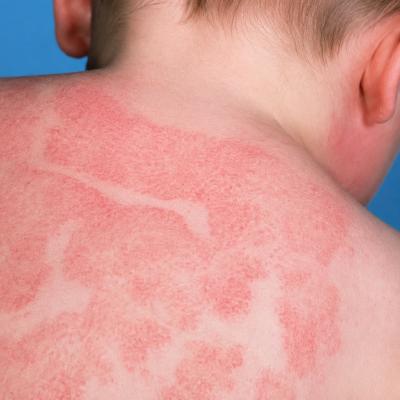
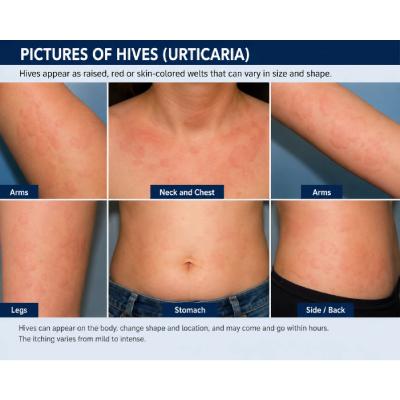
Hives are red or skin-colored bumps that appeared and disappeared quickly, then it’s unlikely to be simple bug bites. The skin rash could be hives, and the itching from hives may range from mild to severe. Hives, also known as urticaria, affects about 20 percent of people at some time during their lives. Scratching, alcoholic beverages, exercise and emotional stress may worsen the itching.
If you think you might have hives, then it’s best to speak with an allergist.
Hives Symptoms
- Raised itchy bumps, either red or skin-colored.
- “Blanching” (when pressed, the center of a red hive turns white).
- Hives can appear on any area of the body; they may change shape, move around, disappear and reappear over short periods of time.
- The bumps – red or skin-colored “wheals” with clear edges – usually appear suddenly and go away just as quickly.
- Pressing the center of a red hive makes it turn white – a process called “blanching.”
Hives Triggers
- Some food (especially peanuts, eggs, nuts and shellfish).
- Medications, such as antibiotics (especially penicillin and sulfa), aspirin and ibuprofen.
- Insect stings or bites.
- Physical stimuli, such as pressure, cold, heat, exercise or sun exposure.
- Latex.
- Blood transfusions.
- Bacterial infections, including urinary tract infections and strep throat.
- Viral infections, including the common cold, infectious mononucleosis and hepatitis.
- Pet dander.
- Pollen.
- Some plants.
Management and Treatment
Researchers have identified many – but not all – of the factors that can cause hives. These include food and other substances you take, such as medications. Some people develop hives just by touching certain items. Some illnesses also cause hives. Here are a few of the most common causes:
- Some food (especially peanuts, eggs, nuts and shellfish).
- Medications, such as antibiotics (especially penicillin and sulfa), aspirin and ibuprofen.
- Insect stings or bites.
- Physical stimuli such as pressure, cold, heat, exercise or sun exposure.
- Latex.
- Blood transfusions.
- Bacterial infections, including urinary tract infections and strep throat.
- Viral infections, including the common cold, infectious mononucleosis and hepatitis.
- Pet dander.
- Pollen.
- Some plants.
General Management for Hives
- Foods: Don’t eat foods that have been identified to cause your symptoms.
- Rubbing or scratching: Avoid harsh soaps. Frequent baths may reduce itching and scratching – beneficial because itching and scratching can make the hives feel worse.
- Constant pressure: Avoid tight clothing. Pressure hives can be relieved by wearing loose-fitting clothes.
- Temperature: If you develop hives when exposed to cold, do not swim alone in cold water and always carry an epinephrine auto-injector. Avoid exposure to cold air and use a scarf around your nose and mouth in cold weather. If you must be out in the cold, wear warm clothing.
- Sun exposure: Wear protective clothing; apply sunblock.
- Medications: Notify your physician or pharmacist immediately if you suspect that a specific medication is causing your hives.
Classical Homeopathy and Urticaria
Homeopathy treats urticaria (hives) using individual-specific remedies chosen by overall physical and mental symptoms.
Homeopathic medicines are safe and very effective in cases of Urticaria.
Through Classical homeopathy we individualize the patient with physical symptoms and also the emotional triggers for urticaria.
Homeopathic medicines treat the cause of urticaria and helps in boosting the immunity to fight against the allergies.
Homeopathic remedies for hives believed to help stimulate the body’s healing response and reduce inflammation.
Other Skin Treatments
Explore related homeopathic services under Skin.