
Skin Treatments
Personalized, natural homeopathic care for skin health conditions.
Associated Treatments & Services6 Available
Select any condition below to view detailed clinical care, FAQs, and benefits.
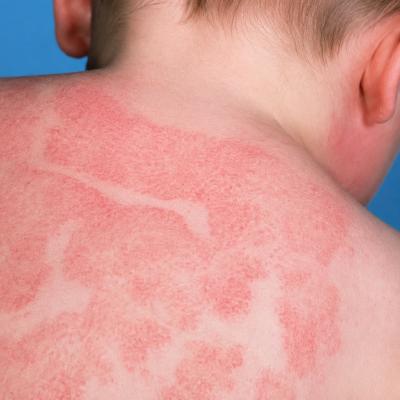
Dermatitis
In the word “dermatitis,” “derm” means “skin” and “itis” means “inflammation.” The word as a whole means “inflammation of the skin.” The rashes range from mild to severe and can cause a variety of problems, depending on their cause. Dermatitis causes no serious harm to your body. It is not contagious, and it does not mean that your skin is unclean or infected. There are treatment methods and medications that can manage your symptoms.
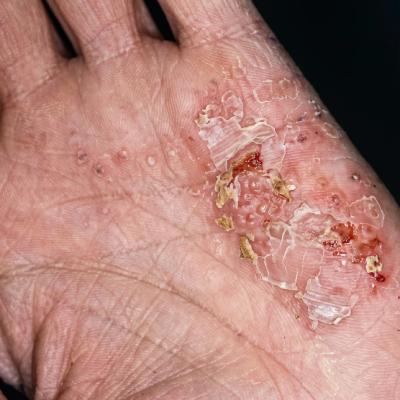
Eczema
Eczema is a condition that causes your skin to become dry, itchy and bumpy. This condition weakens your skin’s barrier function, which is responsible for helping your skin retain moisture and protecting your body from outside elements. Eczema is a type of dermatitis. Dermatitis is a group of conditions that cause skin inflammation.
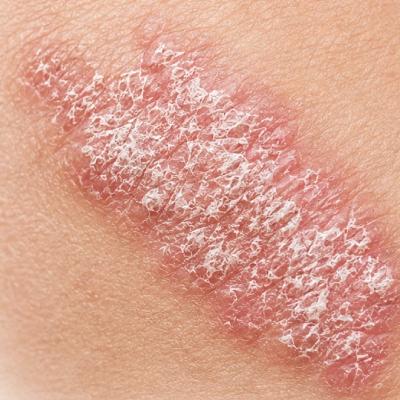
Psoriasis
It usually appears as red raised, scaly patches, known as plaques. The plaques may appear darker, brown or as purple patches with grey scales. Any part of the skin surface may be involved but the plaques most commonly appear on the elbows, knees and scalp. It can be itchy but is not usually painful. Nail changes, including pitting and ridging, are present in nearly half (40%-50%) of all those who have psoriasis. For those that have psoriasis around 1 in 4 may develop an associated psoriatic arthritis. It causes pain and swelling in the joints and tendons, accompanied by stiffness particularly in the mornings. The most commonly affected sites are the hands, feet, lower back, neck and knees, with movement in these areas becoming severely limited.
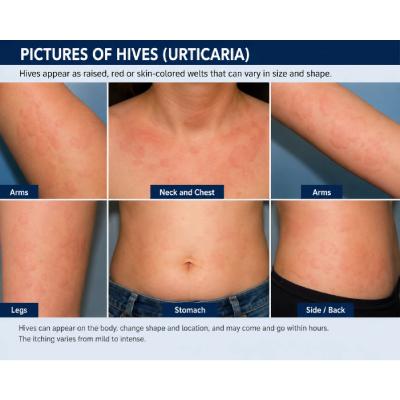
Urticaria/Hives
If you think you might have hives, then it’s best to speak with an allergist.
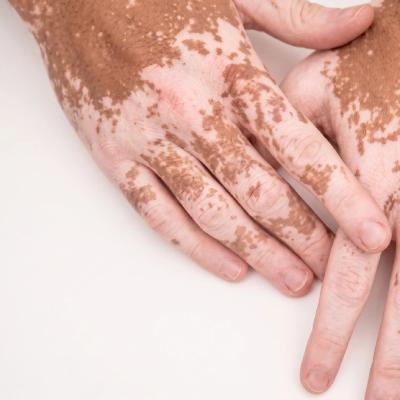
Vitiligo
Vitiligo is a skin condition that causes your skin to lose its color or pigment. This causes your skin to appear lighter than your natural skin tone or turn white. The condition occurs when your body’s immune system destroys melanocytes. Melanocytes are skin cells that produce melanin, the chemical that gives skin its color, or pigmentation.