
Dermatitis
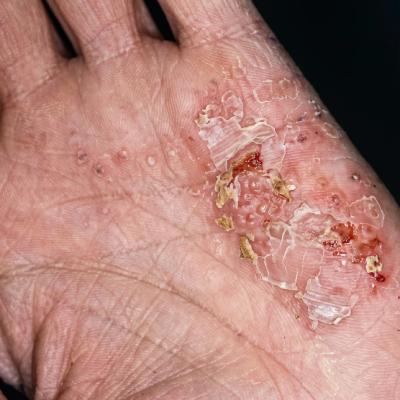
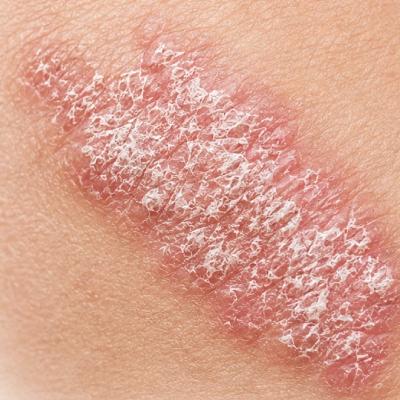
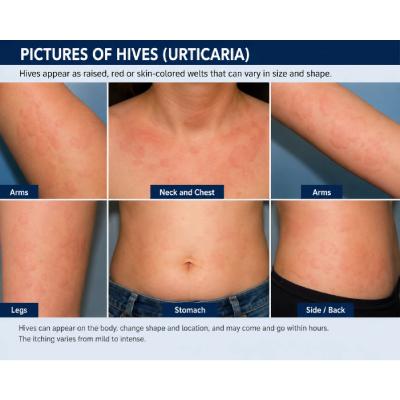
“Dermatitis” is a word used to describe a number of skin irritations and rashes caused by genetics, an overactive immune system, infections, allergies, irritating substances and more. Common symptoms include dry skin, redness and itchiness.
In the word “dermatitis,” “derm” means “skin” and “itis” means “inflammation.” The word as a whole means “inflammation of the skin.” The rashes range from mild to severe and can cause a variety of problems, depending on their cause. Dermatitis causes no serious harm to your body. It is not contagious, and it does not mean that your skin is unclean or infected. There are treatment methods and medications that can manage your symptoms.
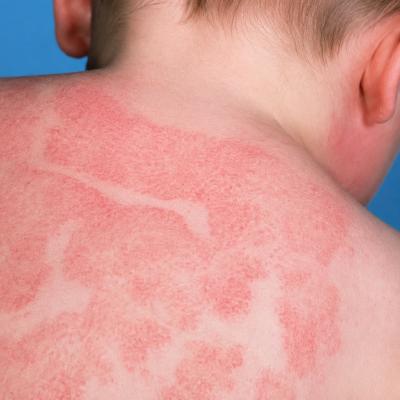
Types of Dermatitis
- Atopic dermatitis (eczema).
- Contact dermatitis.
- Diaper dermatitis (rash).
- Dyshidrotic dermatitis.
- Neurodermatitis.
- Nummular dermatitis.
- Perioral/Periorificial dermatitis.
- Seborrheic dermatitis (dandruff, cradle cap).
- Stasis dermatitis.
Causes of Dermatitis
- Immune system. In atopic dermatitis, your immune system reacts to seemingly small irritants or allergens. This causes inflammation.
- Genetics.
- Environmental Factors.
- Exposure to chemicals and other irritants.
- Sleep loss.
- Depression.
- Anxiety.
- Asthma.
- Allergies.
Signs and Symptoms of Dermatitis
- Itching.
- Red rashes and bumps.
- Rashes that look and/or feel like a burn.
- Dry skin.
- Fluid-filled blisters.
- Thickening, hardening and swelling skin.
- Crusting, scaling and creasing skin.
- Painful ulcers.
- When scratched, the rashes may ooze fluid or bleed.
Mental/Emotional Signs
- Constant worry, anxiety, feeling overwhelmed.
- Difficulty concentrating.
- Irritability, mood swings, or a short temper.
- Depression.
- Low self-esteem.
- Difficulty relaxing, or using alcohol, tobacco, or illegal drugs to relax.
Physical Signs
- Muscle tension and aches and pains.
- Diarrhea and constipation.
- Sleeping more, or less.
- Loss of sex drive.
- Feeling nauseated or dizzy.
Try These Tips to Reduce Your Stress
- Take deep breaths. Count to ten.
- Don’t aim for perfection. Accept that you can’t control everything.
- Exercise every day.
- Get plenty of sleep.
- Limit caffeine and alcohol.
- Eat healthy meals.
- Laugh a lot and try to have a positive attitude.
- Journal.
- Talk to friends and family, and to a therapist.
Management and Treatment
- Use moisturizer. Right after you shower or bathe, apply moisturizer to your skin. This helps keep your skin hydrated.
- Don’t overheat. Keep your space at a cool temperature and avoid high humidity.
- Protect your skin. Stay away from anything that could irritate it. This includes rough clothing like wool.
- Decrease your stress. Take steps to keep your stress levels down. If you need to, see a therapist for counseling and a psychiatrist for medication.
- Bathe in lukewarm water. Be sure to use lukewarm water instead of hot. Take no more than one bath or shower per day.
- Use a mild soap. Use soap or cleanser that is unscented.
- Avoid scratching. Scratching at your dermatitis irritates it. You could break the skin, risking infection.
Classical Homeopathy and Dermatitis
Homeopathic treatment for dermatitis focuses on individualized remedies and natural substances to reduce itching and skin inflammation.
Aims to address underlying constitutional triggers and stress factors related to chronic flare-ups.
Homeopathic medicine acts well on Skin complaints.
Classical homeopathy addresses the patient detailed history of the symptoms and also the triggers when the complaints started.
Homeopathy treats person as a whole. So individualization is more important in choosing homeopathic medicines.
On course of treatment, skin complaints will reduce slowly and heals the complaints.
Other Skin Treatments
Explore related homeopathic services under Skin.