
Irregular Menses
Menstrual periods typically last four to seven days and occur roughly every 28 days. Examples of irregular periods include periods that occur fewer than 21 days or more than 35 days apart, missing three or more periods in a row, and menstrual flow that’s much heavier or lighter than usual.
Irregular periodsMost women have menstrual periods that last four to seven days. Your period usually occurs every 28 days, but normal menstrual cycles can range from 21 days to 35 days. In fact, the average cycle length is 29 days. Many things cause irregular periods (or irregular menstruation) such as changes in hormone levels, stress, certain health conditions, medications and more.
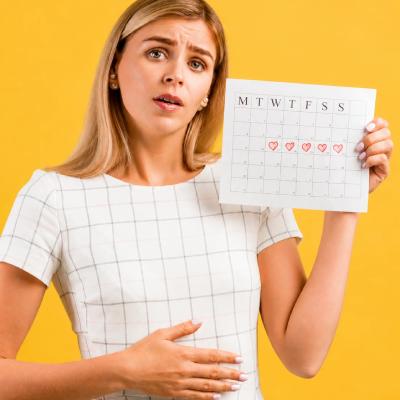
Examples of Irregular Periods
Your period is still considered “regular” even if it varies slightly from cycle to cycle. Examples of irregular menstruation include:
- Periods that occur fewer than 21 days or more than 35 days apart.
- Missing three or more periods in a row.
- Menstrual flow (bleeding) that’s much heavier or lighter than usual.
- Periods that last longer than seven days.
- Length of time between cycles varying by more than nine days.
- Periods accompanied by severe pain, cramping, nausea or vomiting.
- Bleeding or spotting between periods, after menopause or after sexual intercourse.
- Soaking through one or more tampons or sanitary pads in an hour.
Conditions Related to Irregular Menstruation
- Amenorrhea:A condition where your periods have stopped completely. The absence of a period for 90 days or more is considered abnormal unless you’re pregnant, breastfeeding or going through menopause (which generally occurs between ages 45 and 55). If you haven’t started menstruating by age 15 or 16 or within three years of your breasts developing, you may also have amenorrhea.
- Oligomenorrhea:A condition where your periods occur infrequently. You may go more than 35 days between periods or have six to eight periods a year.
- Dysmenorrhea:A medical term for painful periods and severe menstrual cramps. Some discomfort during your cycle is normal.
- Abnormal uterine bleeding:Abnormal uterine bleeding is bleeding between monthly periods, prolonged bleeding or an extremely heavy period.
Causes
- Endometriosis.
- Pelvic inflammatory disease.
- Polyendocrine metabolic ovarian syndrome.
- Primary ovarian insufficiency.
- Thyroid or pituitary gland disorders.
- Bleeding disorders.
- Uterine cancer or ovarian cancer.
- Viruses or other illnesses.
- Birth control pills.
- Miscarriage or an ectopic pregnancy.
Lifestyle Factors
- Stress.
- Gaining or losing a significant amount of weight.
- Exercise routines that result in very low body fat (such as long-distance runners, dancers or gymnasts).
Prevention
- Maintain a healthy lifestyle with moderate exercise and nutritious food, losing weight gradually rather than through drastic diets.
- Make sure you get enough rest.
- Practice stress reduction and relaxation techniques.
- Cut back on prolonged or intense exercise routines.
- Use birth control pills or other contraceptive methods as directed.
- Change your sanitary pads every four to six hours to avoid toxic shock syndrome and prevent infections.
Classical Homeopathy and Irregular Periods
Helps regularize your periods completely by treating the hormonal imbalances or other underlying health issues.
Boosts your body’s natural healing mechanism and restores its natural functioning.
Our expert homeopathy doctors prescribe treatment based on the individual’s unique symptoms, medical history, and constitution.
Stimulates the body’s self-healing powers to restore hormonal balance and regularize menstrual cycles.
Works by restoring hormonal balance, regulating the menstrual cycle, and relieving associated symptoms like cramps, bloating, and mood swings.
Safe and free from side effects, addressing the root cause while considering the individual’s overall health and emotional wellbeing.
Other Female Complaints Treatments
Explore related homeopathic services under Female Complaints.