

Female Complaints Treatments
Personalized, natural homeopathic care for female complaints health conditions.
Associated Treatments & Services5 Available
Select any condition below to view detailed clinical care, FAQs, and benefits.

Female Infertility
Trying to get pregnant means regularly having sex without birth control; some people receive a diagnosis sooner if they have a medical condition or uterine factor infertility. Causes of infertility can be due to either partner — infertility occurs due to a problem with the male reproductive system just as frequently as with the female reproductive system. **Types of female infertility** Primary infertility means you’ve never been pregnant and can’t get pregnant after six months (if older than 35) or one year (if younger than 35) of trying. Secondary infertility means you can’t get pregnant again after having at least one successful pregnancy and birth.
Irregular Menses
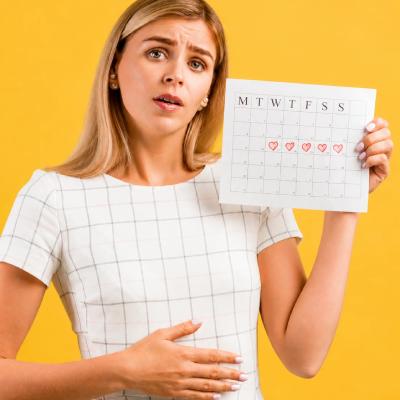
**Irregular periods** Most women have menstrual periods that last four to seven days. Your period usually occurs every 28 days, but normal menstrual cycles can range from 21 days to 35 days. In fact, the average cycle length is 29 days. Many things cause irregular periods (or irregular menstruation) such as changes in hormone levels, stress, certain health conditions, medications and more.

Leucorrhoea
Vaginal discharge is made of cells and bacteria, and it helps keep your vagina clean and healthy while also helping protect against infection. Vaginal discharge is natural and normal. Changes in its color, texture, smell or amount could mean something is wrong. **Normal vaginal discharge** Normal vaginal discharge should be clear or white. It shouldn’t smell bad. Its thickness may change throughout your menstrual cycle.
PCOD/PCOs
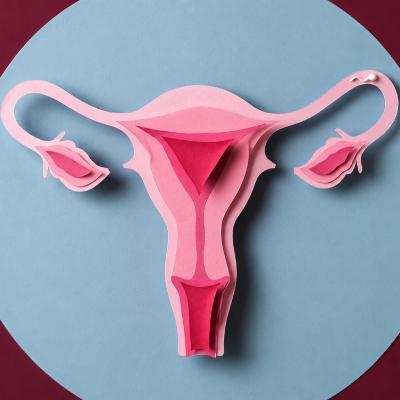
This condition is increasing due to lifestyle factors such as poor diet, physical inactivity, and stress. In India, studies estimate that between 9% and 22% of women experience PCOD — higher than reported rates in many other countries. While not life-threatening, PCOD can affect fertility, metabolism, appearance, and overall well-being if not properly managed.
Uterine Fibroid
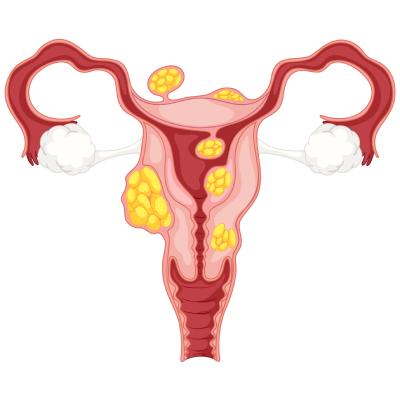
Uterine fibroids (also called leiomyomas) are growths made of muscle and tissue that form in or on the wall of the uterus. Uterine fibroids can cause a variety of symptoms like pain and heavy, irregular vaginal bleeding. Sometimes, a person has no symptoms and is unaware they have fibroids. Treatment for fibroids typically depends on your symptoms. Fibroids are a very common type of growth. Approximately 40% to 80% of people will have fibroids. They occur most often in people between 30 and 50 years old. People who haven’t had their first period (menstruation) yet typically don’t have fibroids. They’re also less common in people who’ve entered menopause.