
Erectile Dysfunction
Erectile dysfunction (ED) is the inability to get or maintain an erection long enough to have sexual intercourse. There are many different causes, which may include conditions that affect your blood vessels, neurological conditions, mental health conditions and injuries.
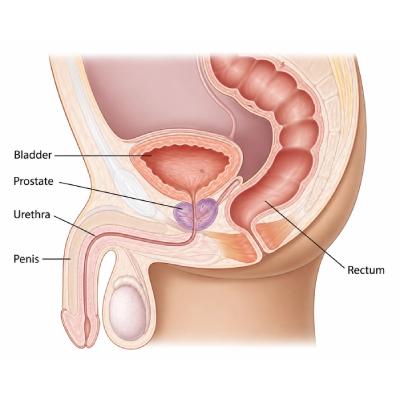
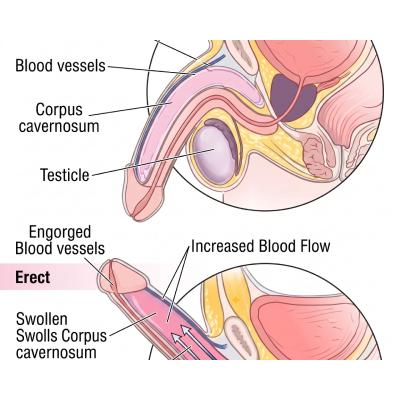
Erectile dysfunction affects your body’s ability to fill erectile tissue with blood.Erectile dysfunction (ED) is a type of penile disorder. It affects your ability to get and maintain an erection firm enough for sexual intercourse. Your feelings play a major role in getting and maintaining an erection. Feeling relaxed, confident and aroused is essential. But it’s normal to sometimes have erection issues. Erection problems can occur if you feel nervous, anxious, frustrated or tired. Drinking alcohol and/or using substances can also have an effect. It can also result from other conditions or as a side effect of certain medications or cancer treatments. If you’re having difficulty getting or maintaining an erection, it’s a good idea to schedule an appointment with a healthcare provider for further discussion. In many cases, ED can be the first symptom of another underlying problem, including heart disease. It’s important to talk to a healthcare provider if you have problems getting and maintaining an erection. Other names for erectile dysfunction include:
- Impotence.
- Impotency.
Symptoms
- Only sometimes being able to get an erection before sexual intercourse.
- Being able to get an erection but not being able to maintain it during intercourse.
- Complete inability to get an erection.
- Requiring a lot of stimulation to maintain an erection.
Physical Causes
- Circulatory system issues — the penis needs adequate blood flow to become and stay erect.
- Nervous system issues — the brain, spinal cord and nerves work together to send the impulses that help the body, including the penis, move and feel.
- Endocrine system issues — hormones like testosterone help open up (vasodilate) blood vessels, aiding blood flow to the penis.
- Diabetes and diabetes-related neuropathy.
- High blood pressure (hypertension).
- High cholesterol (hyperlipidemia).
- Vascular disease.
- Chronic kidney disease.
- Atherosclerosis.
- Peyronie’s disease.
- Low testosterone.
- Stroke.
- Epilepsy.
- Alcohol.
- Barbiturates.
- Cocaine.
- Marijuana.
- Methadone.
- Nicotine.
- Opioids.
Psychological and Emotional Causes
- Depression.
- Anxiety.
- Stress.
- Fear of sexual intercourse or intimacy (genophobia).
- Low self-esteem.
Prevention
- Reducing your cholesterol.
- Being more physically active, especially with cardiovascular exercise like running, jogging or bicycling.
- Maintaining a healthy weight.
- Getting high-quality sleep.
- Eating healthy foods low in saturated fats, such as fruits, vegetables and whole grains.
- Stopping smoking.
- Reducing or stopping drinking.
Classical Homeopathy and Erectile Dysfunction
People choose homeopathy treatment for erectile dysfunction and other sexual problems because of its excellent results.
Homeopathy is not only safe and free from side effects but also helps to cure erectile dysfunction (ED).
Our doctors treat erectile dysfunction using classical homeopathy treatment based on the individual’s symptoms, history, thoughts, and other details.
Classical homeopathy treatment aims to correct the problem from its root cause.
Other Male Complaints Treatments
Explore related homeopathic services under Male Complaints.