

Hormonal Problems Treatments
Personalized, natural homeopathic care for hormonal problems health conditions.
Associated Treatments & Services4 Available
Select any condition below to view detailed clinical care, FAQs, and benefits.
Diabetes Mellitus
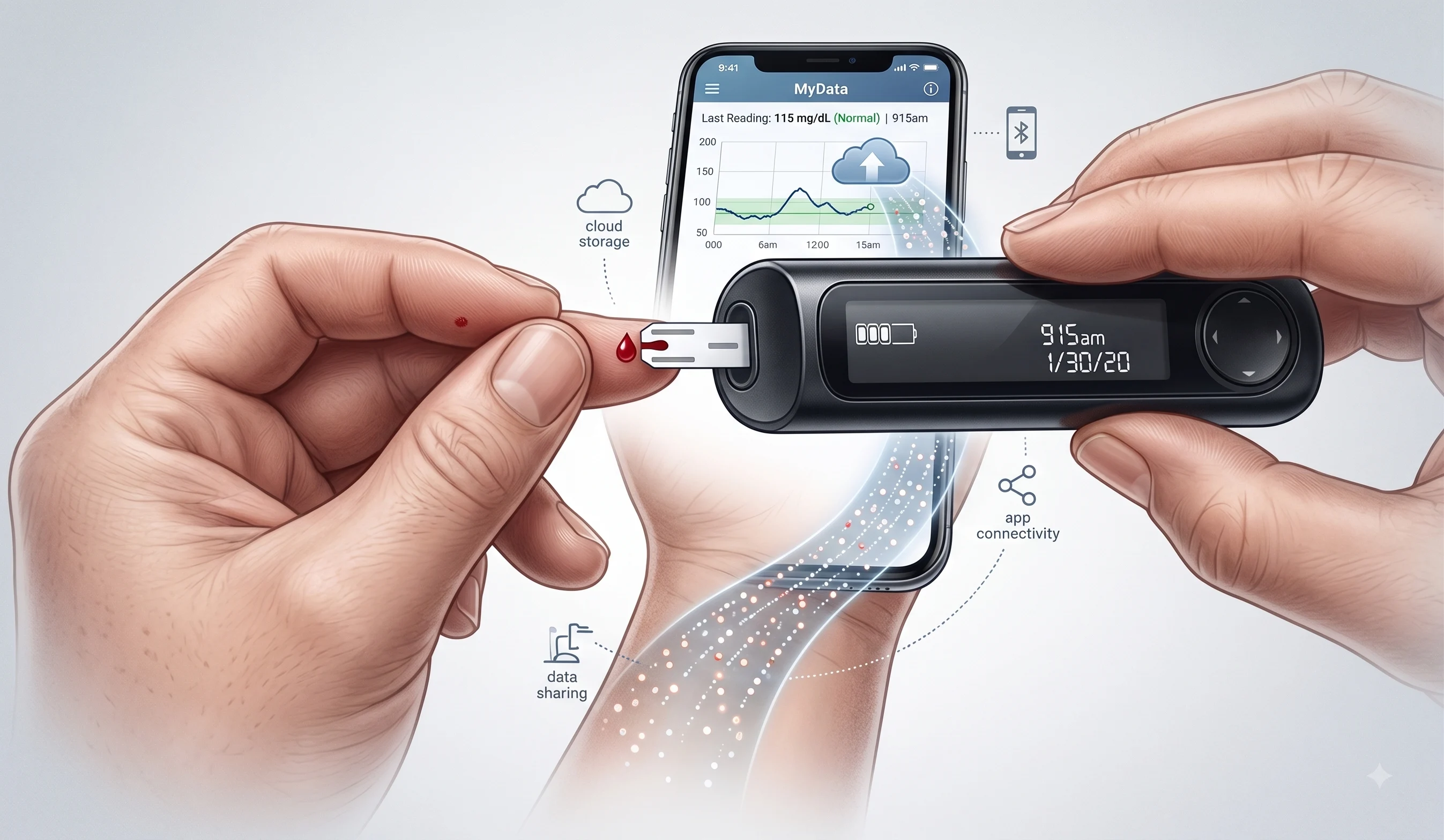
Diabetes is a condition that happens when your blood sugar (glucose) is too high. It develops when your pancreas doesn’t make enough insulin, or any at all, or when your body isn’t responding to the effects of insulin properly. Most forms of diabetes are chronic (lifelong), and all forms are manageable with medications and/or lifestyle changes. Glucose mainly comes from carbohydrates in food and drinks, and is the body’s go-to source of energy. Blood carries glucose to the body’s cells to use for energy, and insulin acts as the “key” that lets glucose enter those cells. If the pancreas isn’t making enough insulin, or the body isn’t using it properly, glucose builds up in the bloodstream, causing high blood sugar (hyperglycemia). Over time, consistently high blood glucose can cause health problems such as heart disease, nerve damage and eye issues.
Hyperthyroid
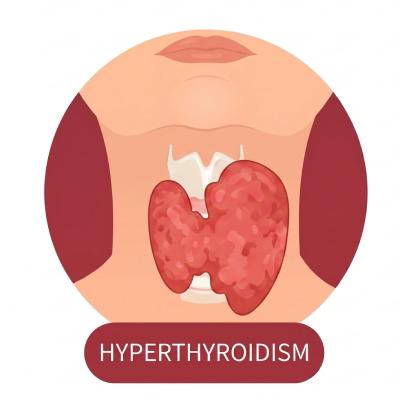
Hyperthyroidism, also called overactive thyroid, is a condition where your thyroid makes and releases high levels of thyroid hormone. It has multiple possible causes. The main thyroid hormones are triiodothyronine (T3), thyroxine (T4) and thyroid stimulating hormone (TSH). Hyperthyroidism speeds up your metabolism, which can affect several aspects of your health. The condition can throw your whole wellbeing off balance. You may not feel like yourself or even feel out of control of your body. It’s important to get medical treatment if you develop signs of hyperthyroidism so you can get back to feeling like yourself.
Goitre
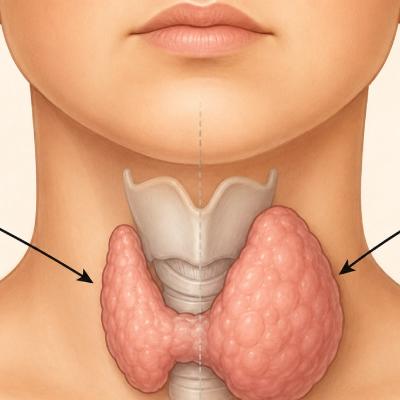
Goitre is a condition where your thyroid gland grows larger. Your entire thyroid can grow larger, or it can develop one or more small lumps called thyroid nodules. Your thyroid gland is a small, butterfly-shaped endocrine gland located in your neck, below your Adam’s apple. It produces the hormones thyroxine (also called T4) and triiodothyronine (also called T3). These hormones play a role in certain bodily functions, including: - Metabolism. - Body temperature. - Mood and excitability. - Pulse and heart rate. - Digestion.
Hypothyroid
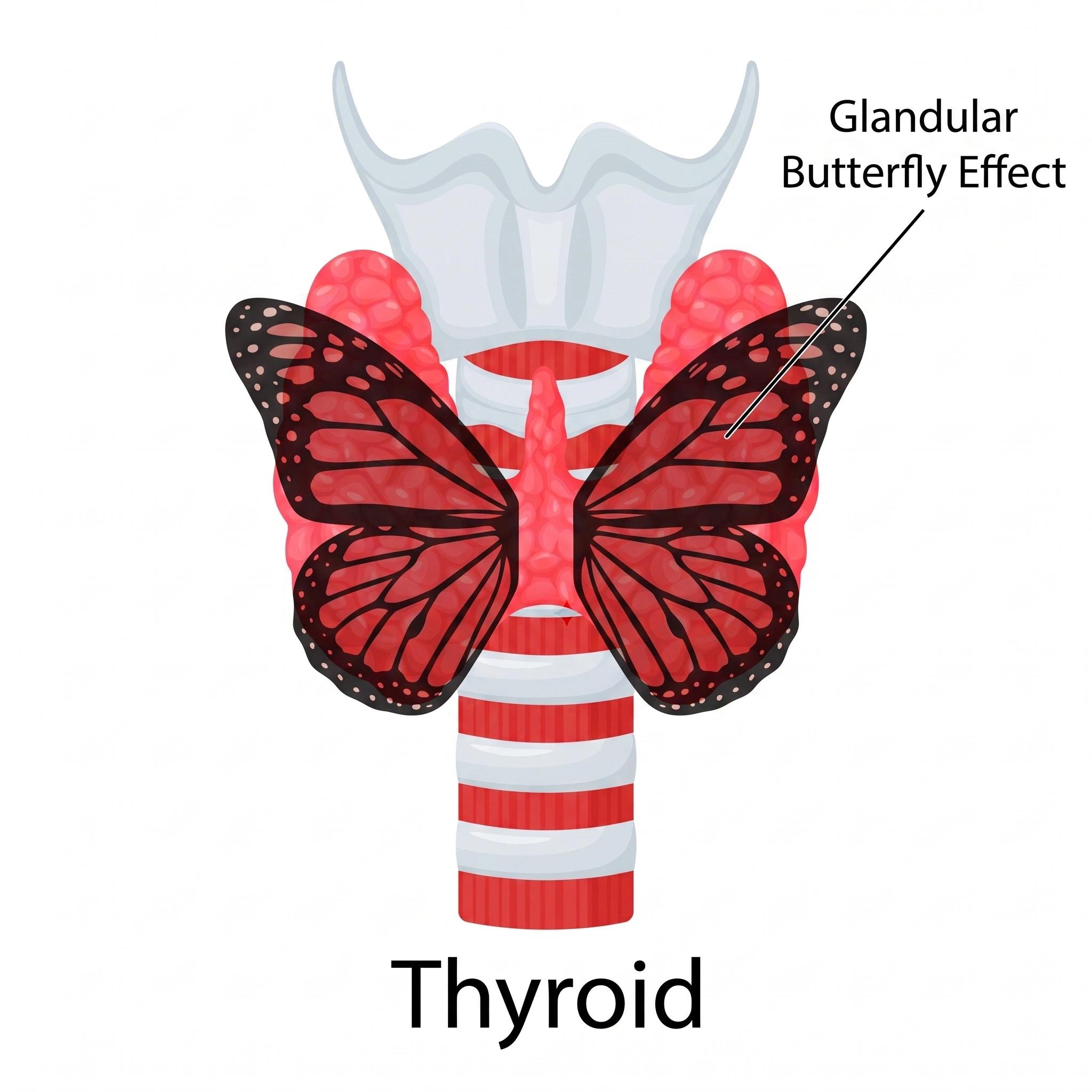
Although weight gain and fatigue aren’t specific to hypothyroidism, a simple blood test can help your healthcare provider check for this condition. In general, hypothyroidism is very treatable — most people can manage the condition with medication and regular follow-up visits with their endocrinologist. Left untreated over long periods of time, hypothyroidism can become life-threatening, so it’s important to get an evaluation if you develop new symptoms. **How common is hypothyroidism?** Hypothyroidism can affect anyone. It’s most common among females over age 60, particularly after menopause.